On Tuesday, I put out my second mock draft of the season, with several changes both in team standings and prospect status. As I worked my way through the picks, I took a look at each team’s depth chart, contract tables, and upcoming free agents to determine who would be the best fit for them in the draft.
As always, picking the right player can be harder for some teams than others, and oftentimes, it takes me some time to come up with what I think is the best fit. This is usually something I encounter later in the draft with better teams that have very niche needs on their roster. But oddly enough, the team that gave me the most trouble when putting my mock draft together was the Houston Texans at pick ten.
When you look at their record, it is clear the Texans have not performed the way they (or anyone) had expected entering the season. They are 2-4 on the season, with wins against the Titans and the Ravens, both teams with only one win on the year. Houston ranks 21st in offensive production, with 21.2 points per game, raising concerns from both fans and analysts about what the team should do this offseason.
The Texans have only eclipsed 20 points twice this season, when they scored 44 in Baltimore and 26 against the Titans. Both times the Texans have reached their 20-point benchmark, they have won, but in their losses, they are averaging just 14.25 points. The 44-point outing in Baltimore has significantly boosted their average, but don’t let that fool you; the Texans’ offense is in dire need of help.
Last offseason, the Texans fired offensive coordinator Bobby Slowik (a move I was not a fan of) after the team finished 18th in points scored with just 22 points per game. Despite making the playoffs, fans were frustrated with the playcalling for the offense, and GM Nick Caserio chose to move on.
Houston hired Nick Caley, the former passing game coordinator/TE coach for the Rams, a first-time play caller who they hoped would help CJ Stroud continue his development into one of the NFL’s top QBs. So far, that has not worked out, and the offense has looked very stagnant early in the season. On paper, the Texans’ offense looks plenty good enough to be productive. Unfortunately for them, the game is played on grass, so that brings us back to the question: Who should the Texans target in the draft?
When I spoke with some co-workers, friends, and other experts, many people suggested offensive tackle, citing the value of the position in the NFL and Stroud’s very low time to throw. The Texans’ offensive line struggled last year, and Caserio elected to have the team move on from cornerstone LT Laremy Tunsil in the offseason. Yet another reason people contend that Houston should add to the offensive line.
But this did not sit right with me, and I think that many people do not understand the status of the Texans’ offense. Last offseason, Houston drafted Aireontae Ersery (my OT5) late in the second round, and he won the starting LT job out of camp, forcing the team to trade Cam Robinson, who just signed a one-year $12 million deal. On the other side, Houston has Tytus Howard, a former first-round pick who signed a 3-year $56 million extension with the Texans in 2023.
Both Ersery and Howard are set to be the Texans’ starting tackles in 2026, but many people suggest the Texans should move on from Tytus Howard, a sentiment that is baffling to me. Howard has been moved around some, with him at times shifting to RG as needed. But this is not due to poor performance, but due to necessity because of a lack of depth on the Houston offensive line.
Howard has been a very solid right tackle in his career with Houston, and I would even argue that he plays significantly worse when moved to the interior. Not to mention, his contract has been restructured several times, meaning the Texans likely wouldn’t move on from him even if they wanted to.
The concerns I have about the Houston offensive line mainly come on the interior, where their guards have struggled mightily to hold up in pass protection. But drafting a guard in the first round – especially in the top 10 – is considered taboo in the NFL, making it that much harder to find a good fit for Houston.
I have argued in the past that you should always look for the player you think will be the most impactful to your team for the next four to five years, and for Houston, that simply is not an offensive tackle. But what makes this a difficult decision is that the Texans’ biggest needs – RB, IOL, IDL, LB – all have low positional value and would be a tough sell in the top 10.
In my opinion, if the Texans continue to struggle, and they do pick in the top 10, a trade down feels almost certain. Adding more picks and still getting a premier player at a position of need is exactly what Houston needs to do. But in a mock draft without any predicted trades, the Texans seem to be one of the toughest picks in the draft.
In my mock, I elected to go with Jeremiyah Love, the best RB in the class, to bolster the run game to help take some pressure off CJ Stroud and the offensive line. I considered Caleb Banks, Chase Bisontis, Connor Lew, and even Kenyon Sadiq, but Love felt like the best of the group, and that’s the direction I went in.
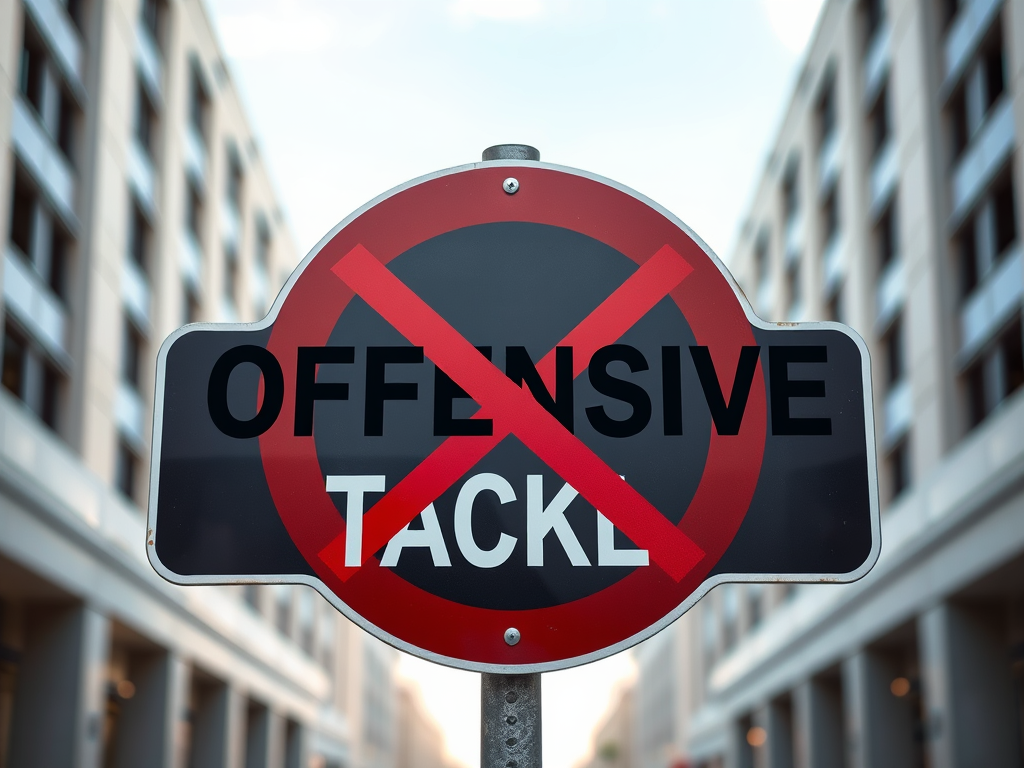
But, to summarize, offensive tackle is NOT where the Texans should be looking, despite so many analysts mocking tackle to them in the first round. There are better players and bigger needs that Houston needs to address for the offense to be successful in the future. Adding immediate impact talent will be huge for the Texans this offseason, and Nick Caserio will have a tough task managing the draft, but a good first step would be trading down and not forcing the pick for a tackle they do not need.


